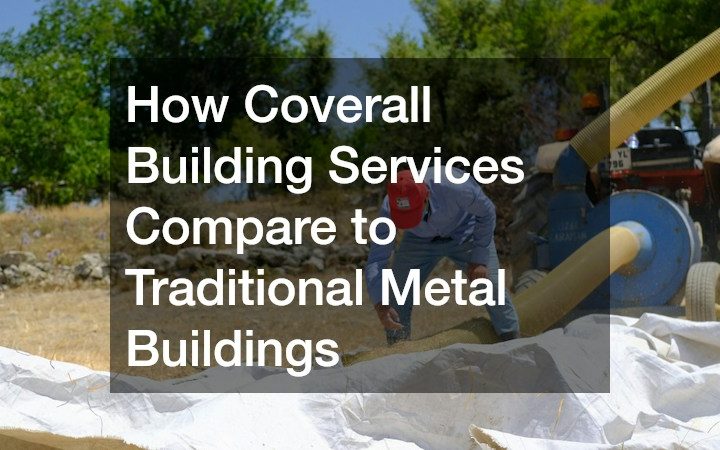
Choosing between coverall building services (also known as fabric-covered steel structures) and traditional pre-engineered metal buildings (PEMBs) requires balancing initial capital investment, long-term durability, interior spatial requirements, and construction speed. While traditional metal buildings have long served as the industry standard for commercial and industrial facilities, modern fabric-frame structures provide an adaptable, cost-effective alternative. Evaluating the key differences in engineering, material composition, life-cycle costs, and climate resilience empowers property owners to select the optimal structure for their operational needs.
Core Engineering and Material Differences
-
Structural Framing and Clear-Span Interiors: Coverall buildings utilize high-strength, tubular steel or rigid-truss frames covered by a heavy-duty, tensioned architectural fabric membrane (typically high-density polyethylene or PVC). Because the fabric envelope is lightweight, coverall structures easily achieve expansive clear-span widths without internal support pillars. Traditional metal buildings rely on heavy, hot-rolled I-beam steel frames clad with corrugated steel wall and roof panels, which provide maximum structural rigidity but require heavier foundations.
-
Foundation Requirements: Fabric-covered buildings can often be erected on temporary or semi-permanent foundations, including helical anchors, pre-cast concrete blocks, or crushed gravel pads. Traditional metal buildings require engineered, poured-in-place concrete footings and slabs to support high point loads and wind-uplift pressures.
-
Natural Lighting and Energy Performance: The translucent nature of architectural fabric allows up to 16% of natural daylight to pass through the roof membrane, virtually eliminating the need for daytime electric lighting. Metal buildings rely entirely on artificial interior lighting unless specialized translucent skylight panels are installed.
Comparative Feature Analysis
Assembly Timelines and Portability
-
Coverall Structures: Prefabricated modular frames and tensioned fabric panels allow installation in days or weeks rather than months. Furthermore, coverall buildings can be dismantled, expanded, or relocated to a new job site with minimal site remediation.
-
Traditional Metal Buildings: Require extended engineering lead times, site excavation, concrete curing, and complex steel erection. Once constructed, PEMBs are permanent assets that cannot be easily relocated.
Maintenance and Material Longevity
-
Coverall Structures: Architectural fabrics resist rust, chemical corrosion, and salt degradation, making them ideal for fertilizer storage, composting, and marine environments. However, fabric membranes typically carry a lifespan of 15 to 25 years before requiring re-tensioning or outer skin replacement.
-
Traditional Metal Buildings: Galvanized or coated steel panels offer a 40- to 50-plus year operational lifespan. While highly durable, metal panels can rust if coatings are scratched and require active maintenance to prevent seal degradation around mechanical fasteners.
Economic Comparison: Upfront vs. Life-Cycle Costs
-
Upfront Capital Expenses: Coverall buildings deliver significant initial savings, costing 30% to 50% less per square foot than traditional metal buildings. Lower material costs, minimal foundation engineering, and reduced job-site labor make them ideal for budget-conscious or time-sensitive projects.
-
Operational Savings: The high translucency of fabric roofs drastically reduces daytime electrical power consumption. Additionally, the non-conductive properties of fabric keep interior ambient temperatures cooler in summer and warmer in winter compared to uninsulated steel buildings.
-
Long-Term Value and Resale: Traditional metal buildings command higher property appraisal values and longer financing amortization schedules. While coverall buildings offer lower initial risk, metal structures provide superior long-term asset appreciation and fire resistance ratings.
Performance in Extreme Environmental Conditions
Both structural systems are engineered to meet local building codes for wind shear and snow loads, but they adapt differently to weather extremes:
-
Wind and Seismic Resilience: The flexible nature of tensioned fabric membranes and tubular steel frames allows coverall structures to absorb dynamic wind gusts and seismic vibrations without structural fracturing.
-
Snow and Ice Shedding: The smooth, continuous surface of a tensioned fabric roof encourages heavy snow and ice accumulation to slide off naturally, preventing excessive roof loading.
-
Thermal and Acoustic Management: Metal buildings support thick fiberglass or spray-foam insulation systems, making them easier to climate-control precisely for office spaces or temperature-sensitive manufacturing. However, fabric membranes absorb ambient sound rather than echoing it, creating a quieter interior environment for livestock or indoor sports facilities.
Both coverall building services and traditional metal buildings deliver reliable, heavy-duty facility solutions, but they serve distinct operational priorities. Coverall structures excel in applications requiring rapid deployment, natural interior lighting, clear-span flexibility, resistance to corrosive materials, and lower initial capital costs—such as agricultural storage, sports arenas, and temporary warehouses. Conversely, traditional metal buildings remain the superior choice for permanent, highly insulated facilities requiring long-term asset value, fire-rated construction, and multi-decade structural lifespans. Matching your project’s timeline, site constraints, and financial parameters ensures the ideal structural selection.
 Why Every Business Needs a Licensed Commercial Electrician
  How Electrical Contractors Help Businesses Stay Energy Efficient
  5 Essential Tips for Choosing an Excavation Contractor
  Maximize Waste Management with Commercial Skip Bins
  How Coverall Building Services Compare To Traditional Metal Buildings
  How Medical Inventory Software Eases Inventory Management
  Top Essential Commercial Services for Modern Facility Managers